




1.1) Choose a well-ventilated, dry, and cool location. Ensure adequate air circulation to prevent heat buildup inside the battery pack. Heat accumulation can affect battery life.
1.2) Maintain an ambient temperature range of 32°F to 131°F (0°C to 55°C). Keep the battery pack away from heat sources, open flames, and flammable/explosive materials to prevent safety hazards due to high temperatures.
1.3) Do not store or install the battery pack with metal objects or conductive materials. Stacking battery packs is prohibited. Ensure sufficient clearance (at least 10 cm on all sides) to allow for ventilation and heat dissipation.
1.4) Keep the installation site's humidity below 85% to prevent corrosion of terminals and short circuits caused by moisture. If installed outdoors, a weatherproof and dustproof protective enclosure must be provided.
2.1) Use charging equipment that complies with the specifications of the battery pack.
2.2) Select cables and terminals that meet the current load requirements. Choose a wire gauge appropriate for the actual operating current to prevent overheating due to insufficient cross-sectional area.
2.3) Use battery securing components made of non-conductive and non-flammable materials (e.g., plastic brackets, insulating straps). It is strictly prohibited to secure the battery pack directly with metal wires or uninsulated metal brackets.
3.1) Installers must thoroughly read the corresponding product manual and safety guide in advance. Installers must wear insulated gloves and safety goggles. Use insulated tools, and ensure metal tools do not contact terminals to prevent short circuits.
3.2) Unauthorized disassembly, modification, or alteration of the battery pack is strictly prohibited.
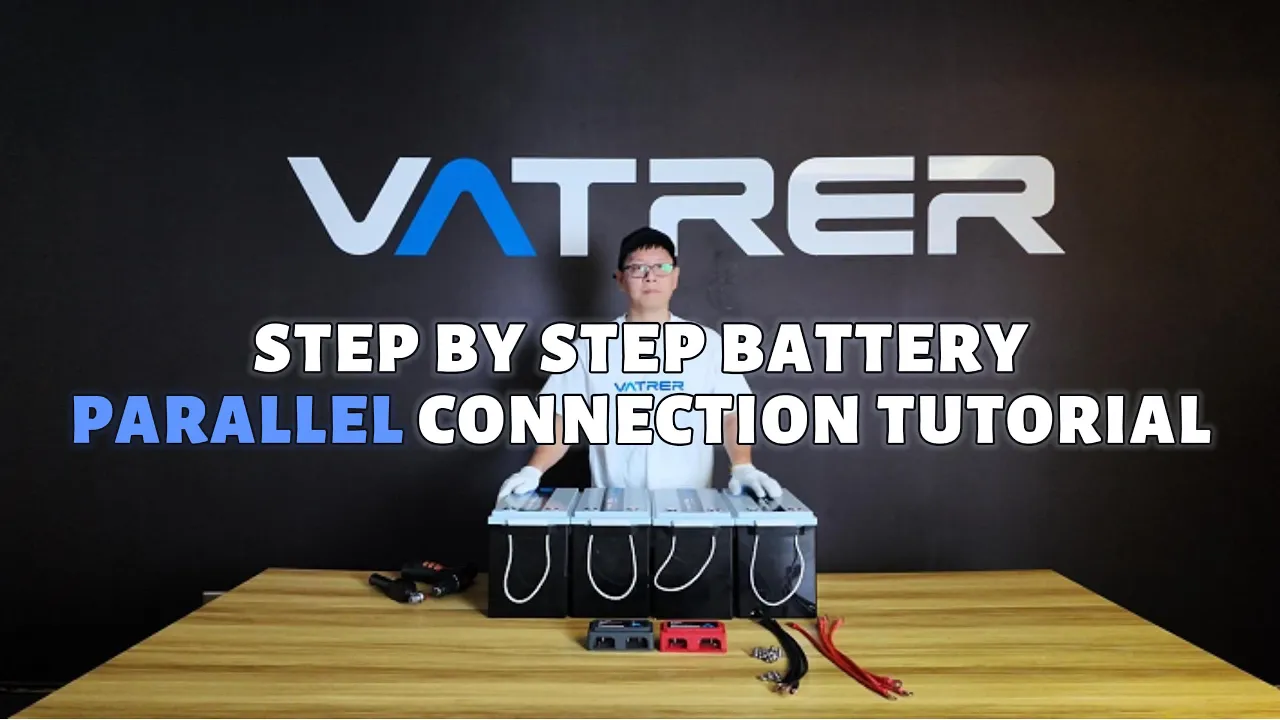
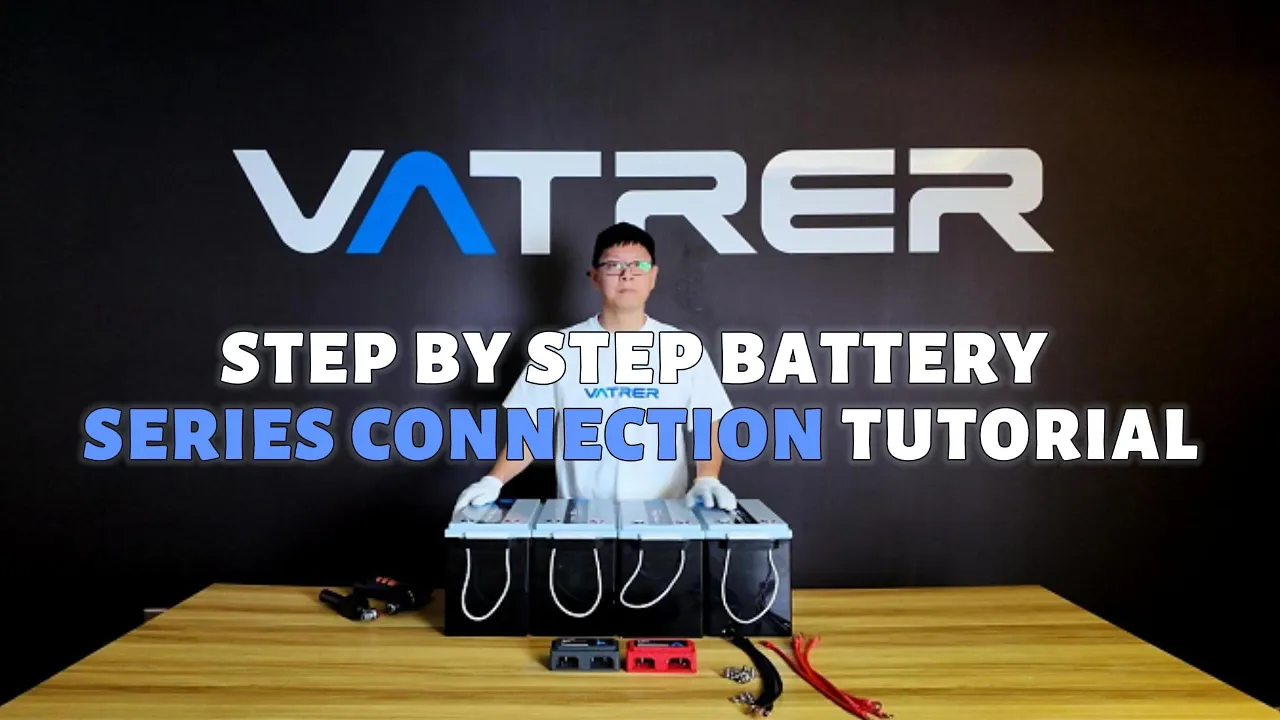
3.3) Before connecting battery packs in series or parallel, refer to the product manual to confirm that the product supports such configurations. Failure to do so may damage the product.
3.4) Follow the procedure of first securing the battery pack, then making electrical connections during wiring. This prevents accidental short circuits during wiring.
3.5) All terminals and busbar connections must be securely tightened after assembly to prevent looseness, oxidation, or unintended contact. Screws used on the battery pack must incorporate anti-loosening features (e.g., spring washers, threadlocker) to prevent dislodgement due to vibration.
3.6) If the battery pack is used for extended periods in high-vibration operating environments, the tightness of all screws must be inspected monthly.
1.1) Operating at high discharge and charge currents in low temperature environments below 14°F (-10°C) is strictly prohibited. Such conditions can lead to accelerated capacity degradation, increased internal resistance, abnormal state-of-charge (SOC) indications, and ultimately, permanent battery damage.
1.2) Under no circumstances should the maximum continuous discharge current and maximum continuous charge current specified in the product documentation be exceeded.
1.3) This battery pack is not designed for use in harsh environments. Exposure to strong acids, strong alkalis, excessive dust, or corrosive gases is prohibited, as these can corrode the casing and internal circuitry.
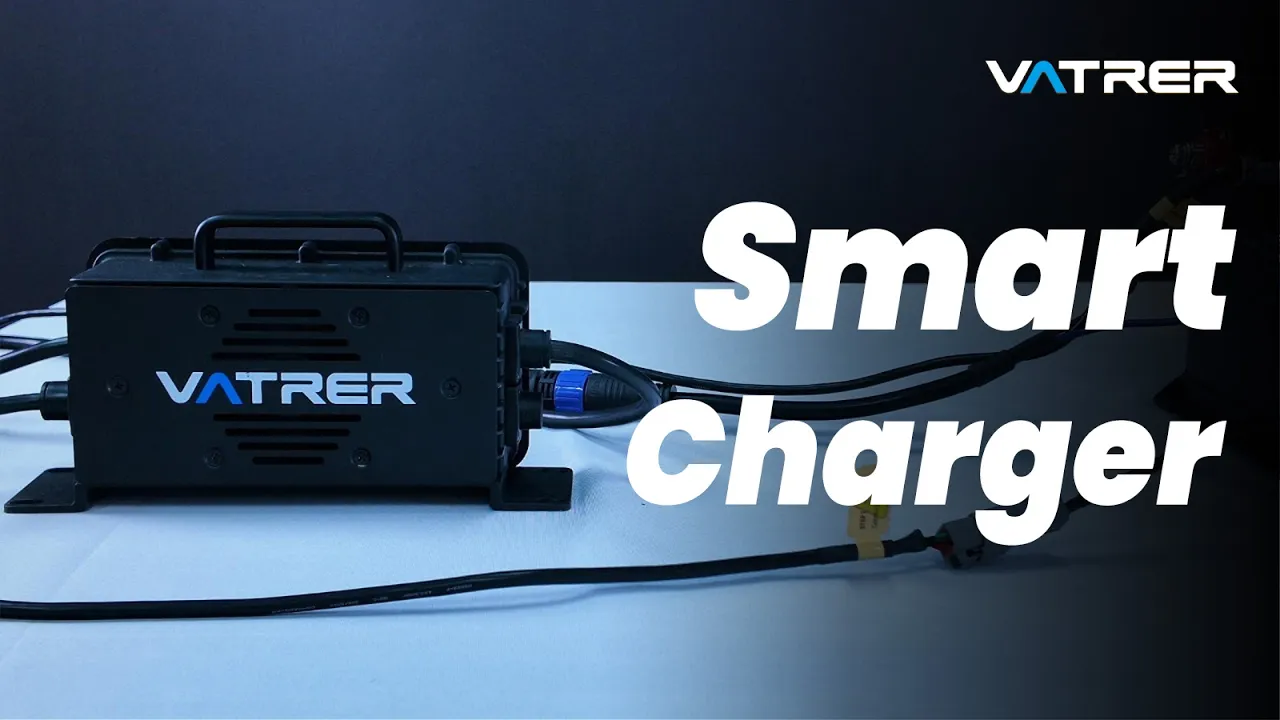
1.1) Only use a LiFePO4 battery charger compatible with the target product model and supporting the CCCV (Constant Current, Constant Voltage) charging method. Do not use chargers designed for other types of lithium-ion batteries to prevent overcharging or damage.
1.2) When charging with solar panels, an MPPT (Maximum Power Point Tracking) charge controller must be used. When charging with a generator, a voltage stabilization circuit must be connected. These measures stabilize the input voltage and prevent the BMS (Battery Management System) from activating its protection functions due to voltage fluctuations, which would interrupt operation.
1.1) Before charging, clean the battery pack terminals to remove any dust or corrosive substances. Ensure all connections are securely tightened, free from looseness or oxidation, to prevent overheating due to poor contact.
1.2) Charge in a well-ventilated area. Avoid charging in high-temperature environments, as this accelerates the degradation of the battery pack's lifespan.
1.3) For battery packs without a built-in self-heating function, the pack must be preheated to above 32°F (0°C) before initiating charging in low-temperature environments.
1.4) Do not cover the battery pack or place heat sources near it during charging. Continuously monitor charging current, voltage, and battery temperature. If abnormal heat or a strange odor is detected, immediately stop charging.
1.5) Begin charging when the State of Charge (SOC) remains between 20% and 30%. Do not leave the battery pack in an over-discharged state for extended periods. Disconnect the charger promptly once charging is complete. Prolonged float charging (maintenance charging) is prohibited.
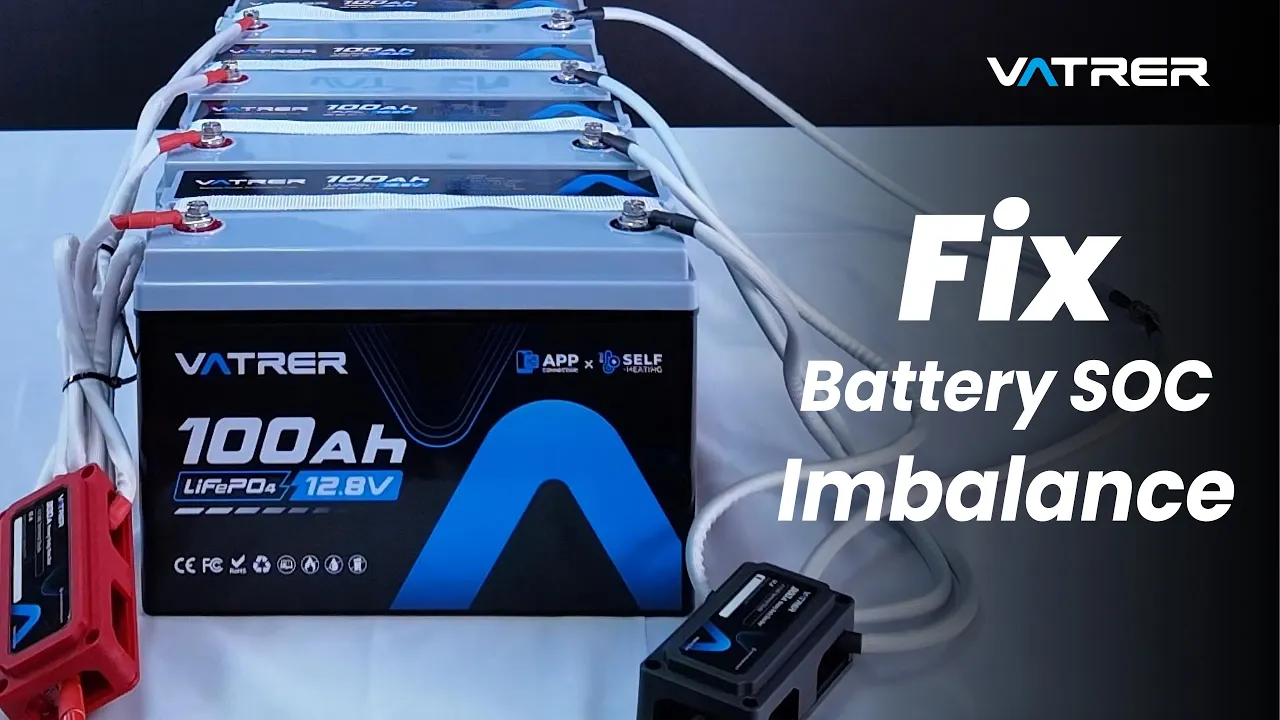
1.6) For series-connected battery packs, it is recommended to perform balance charging every 3 to 6 months. This ensures voltage uniformity among individual cells and can extend the overall cycle life of the battery pack.
1.1) Overcharging and reverse polarity charging are strictly prohibited. Do not use chargers that do not meet product specifications or are incompatible.
1.2) Charging is prohibited if the battery pack shows any signs of physical damage, leakage, or abnormal heat generation.
1.3) Do not connect or disconnect terminals while the charger is powered on. This may cause arcing and create a safety hazard.
1.4) Leaving devices unattended while charging indoors for extended periods is strictly prohibited.
1.1) Swelling or Deformation
Discontinue use immediately. A swollen battery indicates an irreversible internal failure and presents a significant safety risk. Isolate the unit in a safe, open area and contact an available technician for disposal. Do not attempt to dispose of it as general waste.
1.2) Abnormal Temperature Rise
If the battery casing becomes excessively hot during operation or charging, immediately cease all functions. Move the battery pack to a safe, isolated area away from flammable materials and allow it to cool naturally. Under no circumstances should the unit be reused.
1.3) Leakage
If electrolyte leakage is detected, avoid direct contact. Electrolyte is highly corrosive. Handle with appropriate Personal Protective Equipment (PPE), including gloves. Use an inert absorbent material to contain and clean up the spill. In case of skin or eye contact, flush with clean water for at least 15 minutes and seek immediate medical attention.
1.4) Unusual Odor or Smoke
These symptoms indicate thermal runaway or an imminent fire hazard. Immediately disconnect the battery from all power and load circuits and, if possible without personal risk, isolate it in a safe area.
1.5) Significant Performance Degradation
If there is a significant and rapid decrease in operating time or output, discontinue use immediately. Contact our technical support team for further instructions.
1.1) Should any of the above abnormalities be observed, immediately contact our designated technical support window. The product must not be re-energized or reused until a complete safety inspection has been performed and written authorization for release has been provided by authorized personnel.
1.2) Individual cells found to be swollen, leaking, or physically damaged must be carefully removed only if it is safe to do so, placed in a chemical-resistant container, and disposed of solely at an authorized hazardous waste disposal facility or battery recycling facility. Improper disposal, disassembly, or incineration is strictly prohibited by law due to the risk of environmental contamination, chemical corrosion, and fire.
1.3) Maintain detailed records of the incident. Records must include the date and time of occurrence, ambient environmental conditions, operating status/mode immediately prior to the incident, and all observed symptoms. This record should be submitted to our support team upon initial contact to facilitate investigation (root cause analysis).
1.1) Select a dry, well-ventilated, and cool storage environment. The ambient temperature should be maintained between 32°F and 77°F (0°C and 25°C), and the relative humidity should be below 60%. The storage location should be kept away from heat sources, open flames, flammable and explosive materials, and corrosive gases.
1.2) Keep the storage area out of direct sunlight. Do not stack heavy objects on top of the battery pack to prevent physical deformation or damage. If storing outdoors, ensure adequate rain protection, dust protection, and shock protection measures are in place.
1.1) For both short-term and long-term storage, charge the battery pack to a State of Charge (SOC) in the range of 30% to 50% before storage. This SOC range helps minimize losses due to self-discharge and prevents capacity degradation associated with over-discharge and over-charge during storage.
1.2) Clean the exterior and terminals of the battery pack to remove any dust, grease, or contaminants. Ensure all terminal connections are secure and cover the terminals with insulating caps to prevent short circuits and corrosion.
1.3) Disconnect the battery pack from the Battery Management System (BMS) and all connected loads. Store the battery pack and its accessories separately to avoid parasitic drain (dark current) from prolonged connections.
1.1) Short-term storage (1-3 months)
Check the battery voltage once a month. If the SOC falls below 30%, recharge it to 50%. During these checks, also look for any signs of corrosion or looseness on the terminals.
1.2) Long-term storage (more than 3 months)
Perform charge and discharge cycles (recharge to 50% SOC) every 2-3 months to maintain cell health. At the same time, inspect the battery pack for physical abnormalities such as swelling or leakage.
1.3) Preparation for long-term storage (more than 6 months)
Before entering long-term storage, charge the battery pack to 80-100% SOC, and then completely disconnect it from all loads to prevent deep discharge over time.
1.1) Storing battery packs in a low charge state (under 30% SOC) for extended periods is strictly prohibited. Storage in low-temperature environments below 14°F (-10°C) or high-temperature environments above 104°F (40°C) is also prohibited.
1.2) Do not store battery packs that are damaged, leaking, or exhibiting abnormal heat generation. Disassembling battery packs and storing individual cells separately is strictly prohibited due to severe safety risks.


